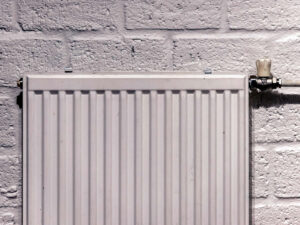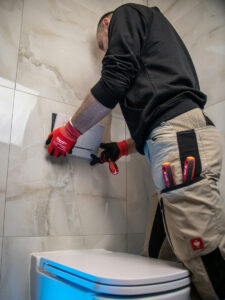
Bleed radiators when needed
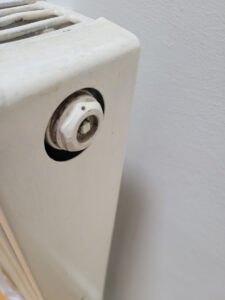 If radiators have cold spots at the top:
- Bleed trapped air from the system.
- Improved circulation helps rooms heat more evenly.
- Check system pressure afterwards, as it may need topping up.
Keep radiators clear
Avoid blocking radiators with:
- Large furniture which stop it from heating the room.
- Curtains that hide the radiator stop it from heating the room when the heat melts away at the cold glass.
- Laundry racks that cover the radiator can stop it from supplying the room with heat.
Good airflow allows heat to circulate more effectively and can improve comfort levels.
5. Run the heating occasionally during the summer
Even when heating isn’t needed:
- Turn the heating on for 10–15 minutes every few weeks.
- This helps prevent pumps and valves from sticking after long periods of inactivity.
Listen for unusual noises
Contact an engineer if you notice:
- Banging
- Gurgling
- Whistling
- Repeated clicking
These sounds can indicate air in the system, limescale buildup, circulation problems, or component wear.
Watch for leaks
Regularly inspect around:
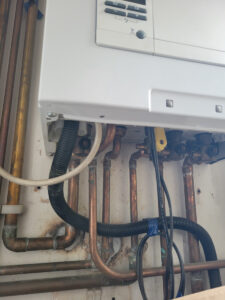
- The boiler
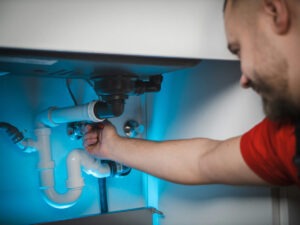
- Radiator valves
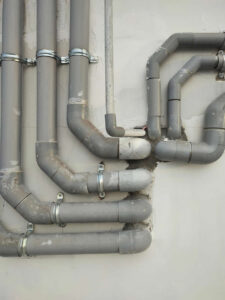
- Pipework
Even small leaks can cause pressure loss and lead to larger problems over time.
Keep the boiler area clear
Maintain good access and ventilation around the boiler:
- Don’t store items directly against it.
- Ensure ventilation openings remain unobstructed.
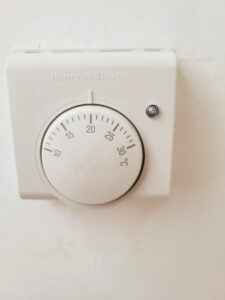 Use your thermostat efficiently
- Set comfortable, consistent temperatures.
- Avoid repeatedly turning the heating fully on and off.
- Consider smart controls to improve efficiency and reduce energy usage.
- Keeping the water at 55 – 58℃ will maintain constant heat without overheating the boiler and save money.
Protect the system from sludge
Over time, heating systems can accumulate sludge and debris.
- A magnetic filter can help capture contaminants.
- Periodic system cleaning or power flushing may be recommended by a heating engineer.
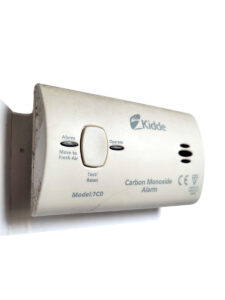 Check carbon monoxide alarms
If your home has fuel-burning appliances:
- Test carbon monoxide alarms monthly.
- Replace batteries as required.
- Replace alarms according to manufacturer recommendations.
 Prepare before winter
In early autumn:
- Test the heating system before temperatures drop.
- Check that all radiators are heating properly.
- Book servicing early to avoid the winter rush.
Signs you should call an engineer
Contact a qualified heating engineer if you notice:
- No heating or hot water
- Frequent pressure loss
- Error codes on the boiler
- Leaks
- Unusual smells
- Pilot light or ignition issues
- Radiators are staying cold despite bleeding
Simple Customer Reminder
“A few minutes of maintenance throughout the year can help prevent costly breakdowns, improve efficiency, and keep your home warm when you need it most.”